Summer of 69 is a very good Bryan Adams song
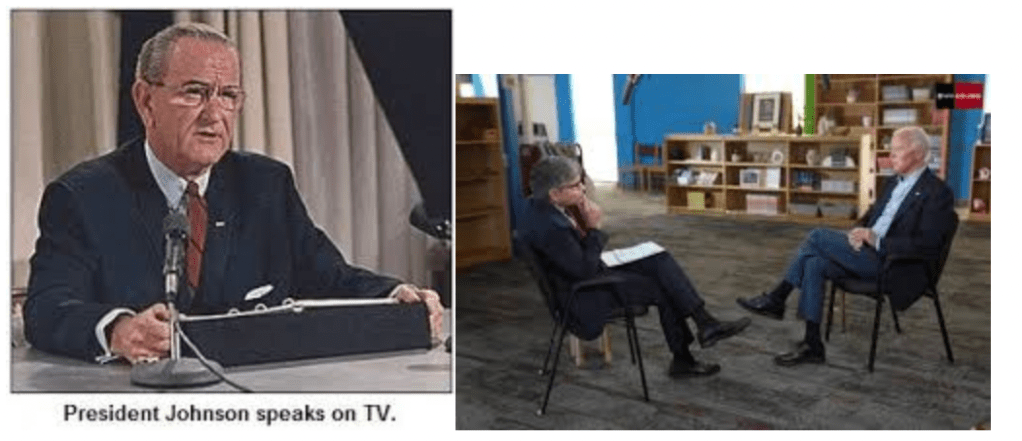
After President Biden’s less-than-stellar debate performance on June 27th, some pundits compared the situation to Lyndon Johnson’s withdrawal in 1968. It is NOT similar, look at the calendar.
LBJ shocked the nation when he dropped out of the race during a televised address on March 31, 1968. People are saying Biden should do the same now. The difference is that when Johnson left the race fifty-six years ago, there were almost five months to the Chicago Democratic Convention. In those five months as Biden may put it- a hell of a lot happened. If the president hypothetically left the race on July 10th, there are only forty days until the Chicago Democratic Convention. That is a huge difference in electoral time.
Primary elections ended on June 8th. Joe Biden won 98.9% of the 3,949 delegates and is the presumptive nominee. When Johnson stepped away in 1968, there had only been one primary, New Hampshire, which Johnson won 49-42 over Minnesota Senator Eugene McCarthy on March 12th. Those results were very unexpected and was like a win against an incumbent president. Why had the incumbent, who won in 1964 in a huge landslide, challenged?
In 1967, a New York politician named Allard Lowenstein began a “Dump Johnson” movement. He approached New York Senator Robert F. Kennedy who declined. He tried Idaho Senator Frank Church and South Dakota Senator George Mc Govern who were in tight reelection campaigns and could not. Finally, Minnesota Senator Eugene McCarthy agreed to run. Thousands of anti-war college students traveled to the Granite State and cut their hair to be “Clean for Gene.”
Kennedy changed his mind after the surprising results and jumped in March 16th. One McCarthy supporter observed “We woke up, after the New Hampshire primary like it was Christmas Day. And when we went down to the tree, we found Bobby Kennedy had stolen our Christmas presents.” With Johnson out, Vice President Hubert Humphrey had planned to announce his candidacy, but Martin Luther King was assassinated on April 4th. He didn’t enter the contest until April 27th and didn’t participate in a single primary.
Kennedy and McCarthy fought it out in primaries in Indiana, Nebraska, Oregon, and California. Kennedy won all but Oregon and was shot the night of his victory in the California vote and died the next day. Humphrey went the old school route, the preprimary route, and collected delegates from the states that did not yet select their delegates through a primary election.
A great “what if” is who would have won the Democratic nomination if Kennedy had lived. LBJ and RFK were not fond of one another, and it is likely Johnson would have used all his power to stop the former Attorney General.
Eighty-one days after Kennedy died the Democratic Convention opened in Chicago. That was a disaster for Humphrey and his party. Remember, we are now half that time to the 2024 convention. Making a change is easier said than done. Many Democrats are keeping their powder dry until 2028 and would be reluctant to damage their political futures. There isn’t anyone of the stature of Kennedy and Humphrey in the mix now with all due respect. Changing horses midstream, even though the current stallion is 81, isn’t as easy as it sounds.
Stay tuned.


Leave a Reply