In 2004 two blue bloods faced off in the presidential election. Incumbent President George Walker Bush was challenged by John Forbes Kerry. Both hailed from aristocratic families of the northeast, although Bush’s father, the forty-first president, had migrated to Texas after serving as a naval combat pilot in World War II.
Kerry was born in the midst of that war in 1943 with Bush joining the first generation of Baby Boomers in 1946. Both graduated from boarding (prep) schools before combat troops were first sent to Vietnam in 1965. Like many in their generation, they had decisions to make regarding military service and how that could relate to their futures. Bill Clinton, Al Gore, Dan Quayle and others had to face this dilemma as well.
George W. Bush graduated from Yale in 1968 and joined the Texas Air National Guard. He later drilled with the Alabama Air National Guard and was honorably discharged in 1974. Did his family connections pull strings to keep him stateside? Possibly.
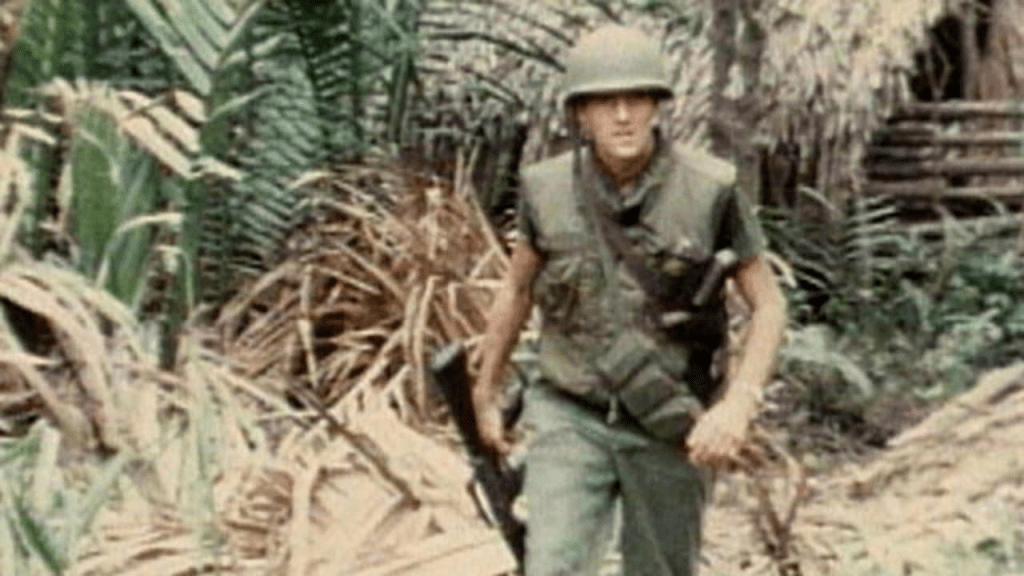
John Kerry graduated from Yale in 1966. He enlisted in the United States Naval Reserve and attended Officer Candidate’s School. He was sent to Vietnam where he commanded small ship called a ‘swift boat.’ While serving there he was wounded three times (receiving three Purple Hearts) and earned both a Silver and Bronze Star for bravery. Once discharged, he became a vocal critic of the Vietnam War.
Historian Douglas Brinkley may have placed his thumb on the cale publishing a book titled Tour of Duty: John Kerry and the Vietnam War. The Kerry campaign also smartly produced television ads for the candidate with fellow swift boat veterans who served with Kerry.
Coincidentally, both men ran for the House of Representatives and list, Kerry in 1972, Bush six years later. Kerry would be elected to the United States Senate in 1984, and Bush was elected Governor of Texas in in 1994 and was reelected in 1998. In 2000, he was elected as president defeating Vice President Al Gore in a controversial election.
Kerry was a frontrunner for the Democratic nomination but would be surpassed an overwhelmed by the meteoric online campaign of former Vermont Governor Howard Dean. Dean’s campaign imploded nearly as fast as it rose, not helped by the infamous ‘Dean Scream’ following his defeat in the Iowa caucuses, which Kerry won. That momentum, and his proximity to New Hampshire primary helped his campaign gain the momentum for him to secure the needed delegates rather early, which has its advantages and disadvantages.
In late July, the Democrats met in Boston. An unknown Illinois State Senator named Barack Obama gave the keynote address. When Kerry accepted the nomination he announced, “I’m John Kerry reporting for duty.” The convention provided him with a helpful ‘bounce’ in the polls.
A liberal Democrat from Massachusetts with a full head of hair should have known better than to not set up a defense for potential attacks from an opponent named Bush (1988). Kerry had briefly served as Michael Dukakis’s Lieutenant Governor in the early eighties. Shortly after the convention concluded, the attacks began.
A ‘527’ organization called “Swift Boat Veterans for Truth” purchased a few TV ads discrediting Kerry’s service and antiwar activities. A book called Unfit for Command accompanied that. The news networks gave this great attention and were able to earn a great amount of ‘free media’ a godsend to any movement.
Like Dukakis, the Kerry campaign responded, albeit slowly. The damage was done, as his service and valor was questioned and placed into the mind of many Americans. Did this make a difference? The results of the election I November were some overwhelming probably not. It’s a ‘what if?’ of history, but who knows????
 caryheinz.com
Leave a comment