This was originally going to be posted Sunday, July 21 but something else happened so I held onto it and redid the ending
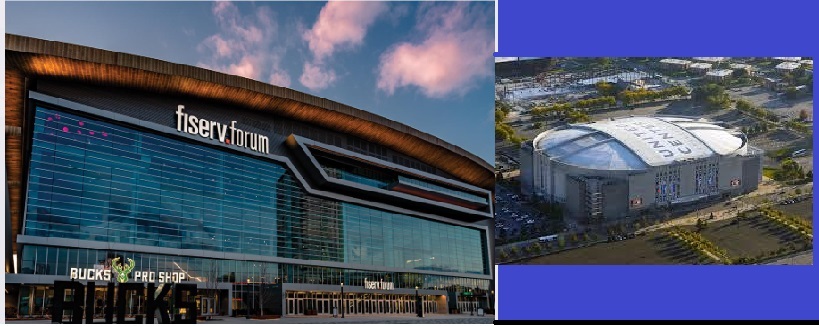
The Republican National Convention just wrapped up and the Democrats will have theirs ninety miles down the southwestern shore of Lake Michigan in late August. These gatherings are almost two centuries old, and like most things, have evolved over the years. Today, these are made for TV events, and there has not been a relevant convention regarding choosing the party’s nominee since the GOP met in Kansas City in 1976.
In the early days of our republic, political parties initially held caucuses to select their nominees. After the parties realigned in the 1820’s and 1830’s conventions were born. The first convention of Henry Clay’s National Republicans (soon to be Whigs) met in Baltimore. Andrew Jackson’s Democratic party also met there in 1832. The first Republican convention was held in Chicago in 1860, and when the Dems meet there this year will be in the city’s 26th, more than twice of any other municipality.
Presidential primaries didn’t have an impact on choosing a nominee until 1960. Before that, party leaders often made those choices in the stereotypical smoke-filled backrooms. One of the most interesting occurred a century ago, then the Democrats met for seventeen days in Madison Square Garden and held 103 ballots to select John W. Davis of West Virginia who led a fractured party to defeat President Calvin Coolidge in the fall.
With a Democratic party split at the moment (mid July) after President Biden’s disastrous debate performance, some pundits think that this year’s Chicago convention could mirror the 1968 debacle. Those four days leapt from the streets of the Windy City into America’s living rooms with antiwar activists clashing with overzealous police.
The last time a convention went beyond a first ballot certification of the expected nominee was in 1952 when the Democrats chose Illinois Governor Adlai Stevenson on the third ballot. Coincidentally, the Republican vice-presidential nominee then and now, California Senator Richard Nixon and Ohio Senator JD Vance were both thirty-nine years old at the time of the convention.
As I began, the last time a convention chose the party’s candidate was when incumbent President Gerald Ford (who was appointed to both the vice-presidency and presidency due to Watergate and the 25th Amendment) went to Kansas City neck and neck in delegates with challenger Ronald Reagan, Governor of California. Ford was fortunate to have a friend of CIA director (and future president) George Bush named James A. Baker III to be his delegate hunter. Baker would be an influential and effective of the Republican party for the next quarter century.
Original Conclusion
The 2024 Democratic Convention looks to be very interesting. There is an old expression that ‘Republicans fall in line; Democrats fall in love.’ The GOP has clearly lined up behind former President Trump, while many Democrats seem to be looking for a new date. Time will tell.
New Ending
On Sunday July 21, on a pleasant summer day, President Joe Biden announced via social media that he was dropping out of the race. I refer back to the first sentence of the original close. There will be more to follow.
 caryheinz.com
Leave a comment